

Why In-Game Progression is Addictive
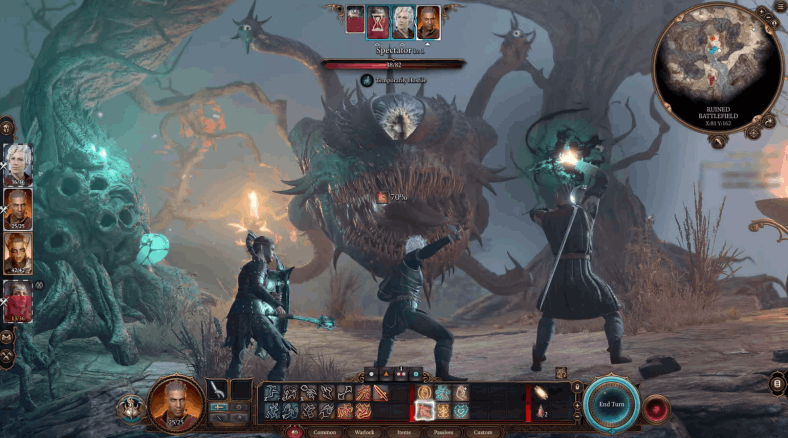
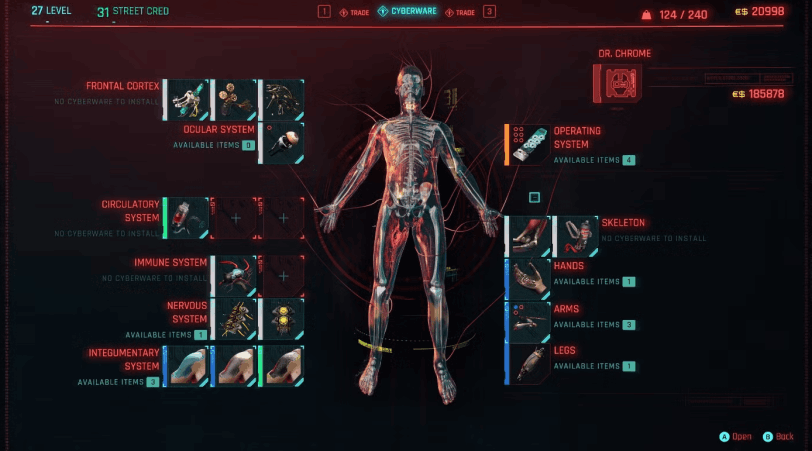
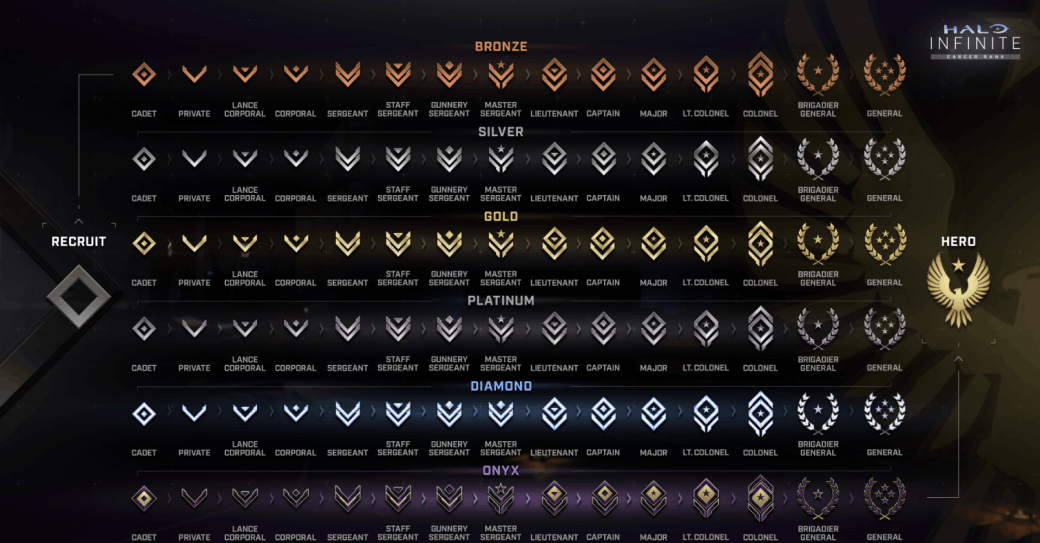
The allure of in-game addiction is rooted in its masterful simulation of mastery and growth, offering a clear, structured path where effort directly translates to visible improvement. Systems of continuous character development provide constant, positive feedback through visuals, sounds, and statistics, activating the brain's reward pathways with each minor goal achievement. This reliable cause-and-effect loop stands in stark contrast to the ambiguity and delayed gratification often encountered in real-life pursuits, making the virtual climb uniquely satisfying and psychologically potent.
Furthermore, this progression addiction is powerfully reinforced by social dynamics and expertly designed pressure systems. The fear of missing out in games, engineered through timed events and incentives, creates a powerful sense of urgency and social obligation, compelling players to log in daily to avoid falling behind their peers or losing access to exclusive content. This transforms gameplay from a leisure activity into a perceived necessity, where skipping a session feels like an active loss, thereby deepening the impact of progress on engagement and cementing the game as a non-negotiable part of the daily routine.
Ultimately, the motivation through growth becomes a self-sustaining cycle. The initial joy of leveling and leveling up evolves into a habitual need to maintain momentum, where the game's metrics of success become internalized personal metrics. This cycle is the cornerstone of progression and retention strategies, designed to make disengagement feel not like liberation, but like abandoning a project of the self. The compulsion to see the next number increase, to fill the next collection slot, or to earn the next seasonal badge can create a powerful pull that persists long after the initial novelty has faded.


